

Why Are More and More Homes and Businesses Choosing to Install a Water Filter?
A high-quality water filter is rapidly becoming a standard fixture in homes and commercial facilities worldwide. Market research indicates that the water filter industry is expanding at a steady compound annual growth rate, with market size expected to exceed USD 25 billion by the early 2030s. Why are more and more homes and businesses choosing to install a water filter? The answer lies in three key drivers: rising consumer health concerns over drinking water quality, stricter global regulations on PFAS “forever chemicals,” and continuous innovation in water filter technology.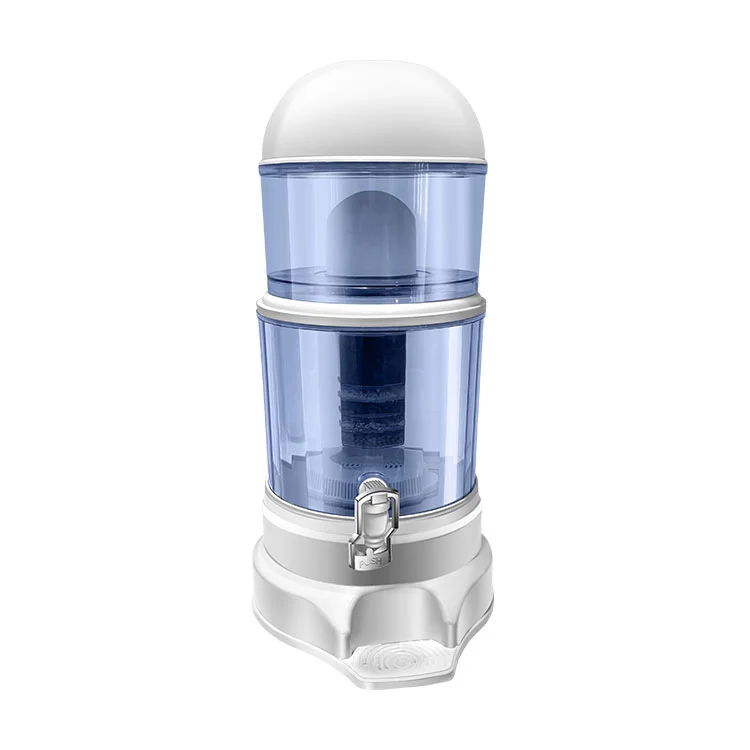
Health Awareness Drives Water Filter Demand
People are increasingly worried about chlorine, heavy metals, bacteria, and emerging contaminants in tap water. An effective water filter removes the vast majority of harmful substances while preserving beneficial minerals, delivering better-tasting drinking water. For households with elderly members, infants, or immunocompromised individuals, installing a water filter directly reduces the risk of exposure to pathogens and chemical pollutants through drinking water.
In the commercial sector, restaurants, hotels, schools, and healthcare facilities also rely on a water filter to safeguard public health. Commercial applications require higher flow rates and longer filter life, but the core value remains the same: a water filter is a powerful tool for protecting community health.
Table: Application Benefits of Water Filters Across Different Settings
| User Type | Primary Need | Recommended Water Filter Type | Key Benefit |
| Home Users | Healthy drinking water, better taste | RO, UF water filter | Removes heavy metals, bacteria, chlorine |
| Restaurants | Food safety, equipment protection | High-flow commercial water filter | Scale reduction, chlorine removal, high capacity |
| Schools/Hospitals | Public health, convenient access | Point-of-use water filter system | sterilization, long-life cartridge |
| Offices | Employee wellness, replace bottled water | Water dispenser + water filter | Lower cost, reduce plastic waste |
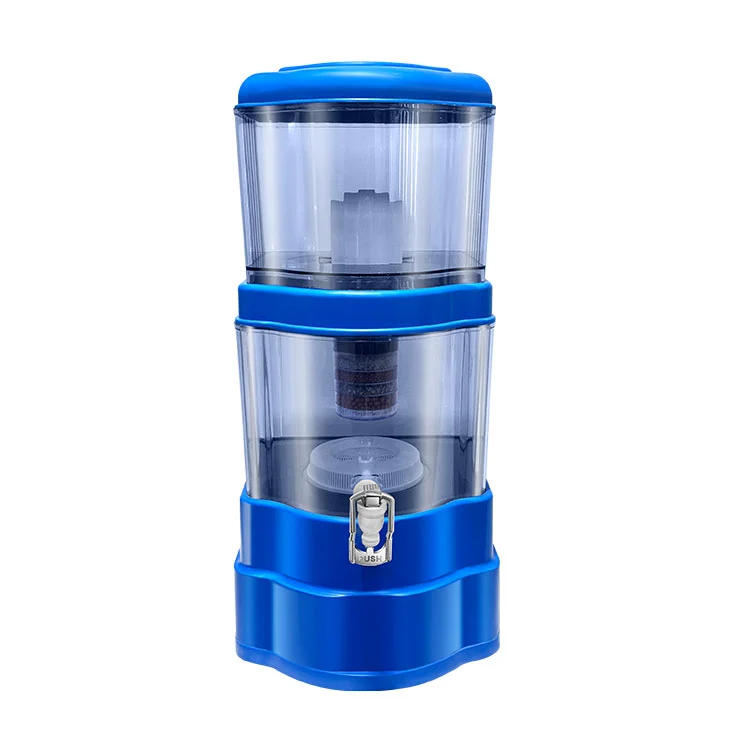
PFAS Regulations Drive Water Filter Technology Upgrades
In 2026, one of the most significant developments for the water filter industry is the tightening of PFAS regulations. Known as “forever chemicals,” PFAS are extremely persistent in the environment and the human body, with long-term exposure linked to various health concerns.
The U.S. Environmental Protection Agency released an updated drinking water contaminant candidate list in April 2026, including microplastics and pharmaceuticals alongside PFAS for priority monitoring. The European Union imposed uniform PFAS limits on drinking water across all 27 member states starting January 2026, requiring the sum of specified PFAS substances not to exceed 0.10 µg/L and total PFAS not to exceed 0.50 µg/L.
In response to these regulatory changes, water filter technology is evolving rapidly. A reverse osmosis (RO) water filter removes up to 99% of PFAS compounds. An activated carbon water filter is also proven effective for PFAS adsorption. New-generation graphene oxide membrane water filters achieve precise interception of microplastics and persistent chemical pollutants. Choosing an advanced water filter means effectively addressing this global water quality challenge.
Smart and Sustainable – Two Major Trends for Water Filters
Smart Features Become Standard on Water Filters
A modern water filter is no longer a simple physical filtration device. An IoT-enabled water filter displays real-time water quality data and filter life remaining, sending replacement alerts through a mobile app. A smart water filter also supports remote monitoring and fault alerts, making the device especially suitable for centralized management of chain stores. Automatic filter subscription services free users from remembering replacement schedules—the water filter manufacturer proactively delivers new cartridges based on usage time or flow rate. These smart features greatly enhance user experience, making a water filter more convenient and efficient to use.
Eco-Friendly Design Makes Water Filters More Attractive
“Reducing plastic waste” has become an important consideration for consumers choosing a water filter. Compared to bottled water, a single water filter can eliminate hundreds of plastic bottles per year. Many water filter brands have extended cartridge replacement cycles from six months to twelve months, significantly reducing consumable waste. Some water filter housings are now made from bio-based plastics or recycled materials, further lowering the carbon footprint. Choosing a water filter means making a positive contribution to the planet.
Conclusion
From home kitchens to commercial facilities, from health concerns to regulatory drivers, the water filter is integrating into daily drinking water scenarios at an unprecedented pace. A high-quality water filter not only provides safer, better-tasting drinking water but also reduces plastic bottle waste and lowers long-term water costs. Choosing the right water filter means taking proactive responsibility for family health and business operations.
As a professional water filter manufacturer, Ningbo Aofukang Intelligent Technology Co., Ltd. is committed to delivering high-quality water filters and water dispensing equipment to global users. Whether it is an under-sink RO water filter for home use or a large commercial water purification solution for business needs, Ningbo Aofukang Intelligent Technology Co., Ltd. provides full-cycle service from product selection and installation to filter cartridge replacement. Choosing a water filter from Ningbo Aofukang Intelligent Technology Co., Ltd. means choosing peace of mind, reliability, and lasting water quality protection.
Previous:No News