Home > Products > Water Filter > Mineral Activated Carbon Water Purifier > 16L Mineral Activated Carbon Water Purifier
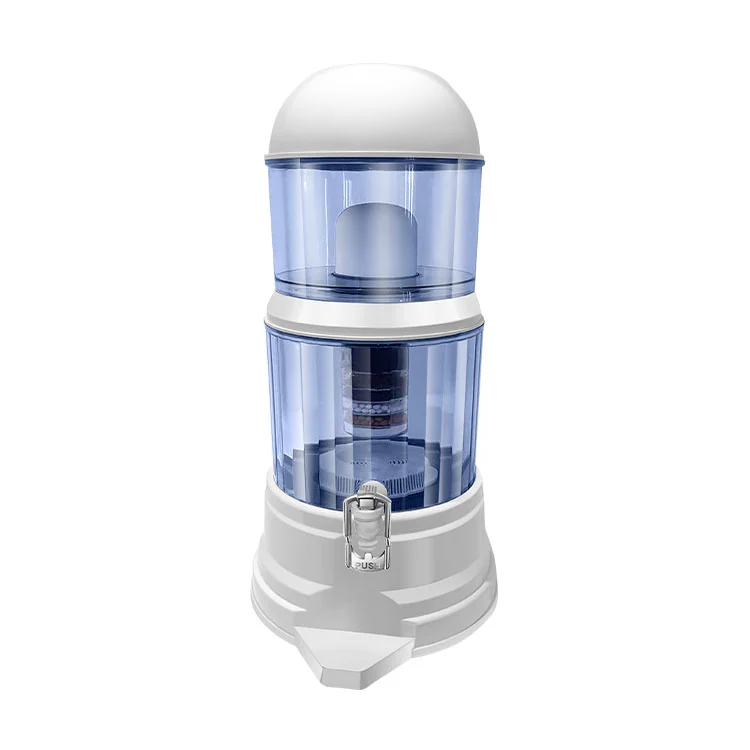
16L Mineral Activated Carbon Water Purifier
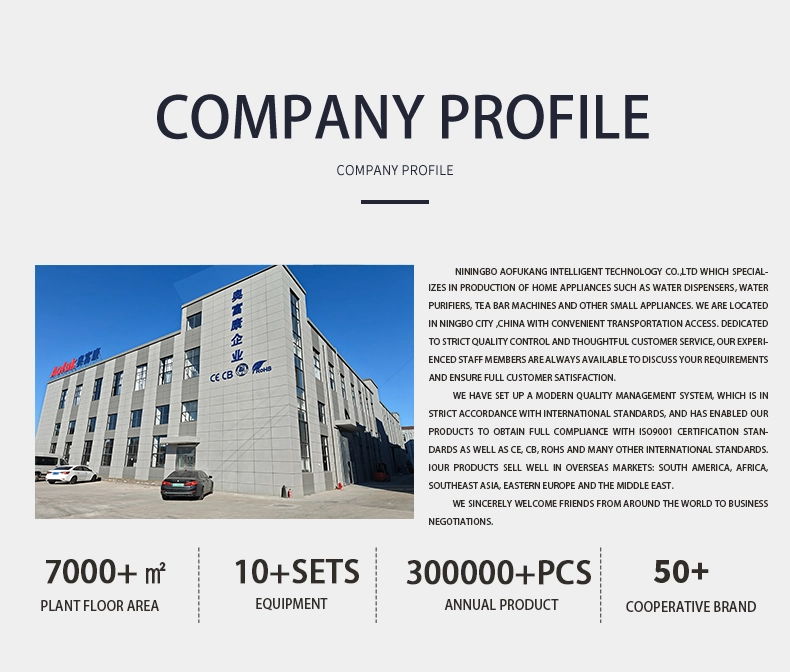
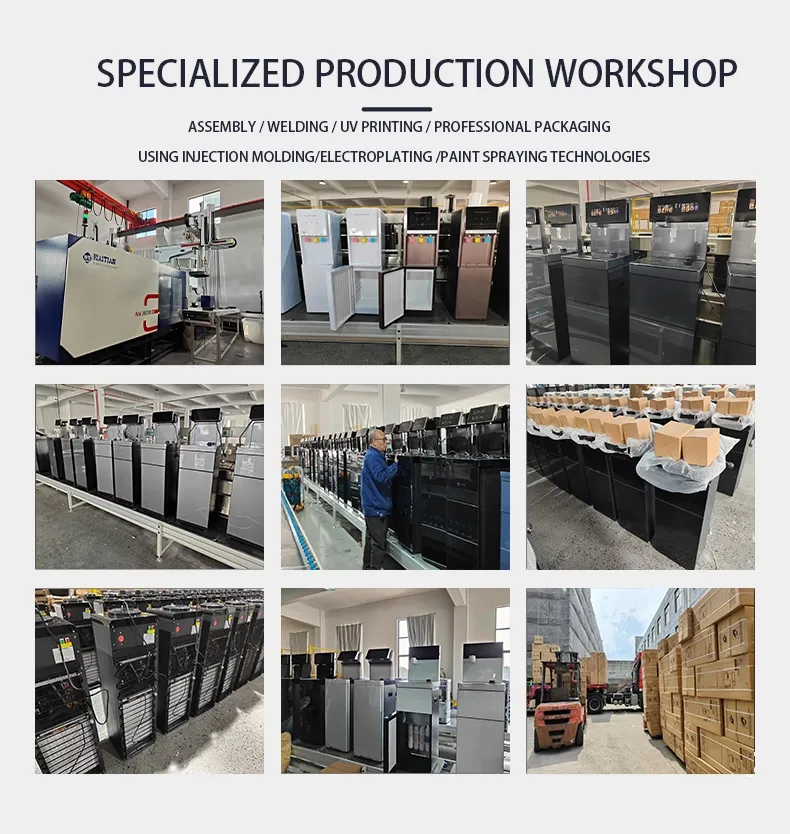
Ningbo Aofukang Intelligent Technology Co., Ltd. is a professional manufacturer of Water dispenser and Water Purifier in China. Having been deeply engaged in the field of healthy drinking water for many years, the company provides reliable water dispenser solutions to the market with mature craftsmanship and stable quality.
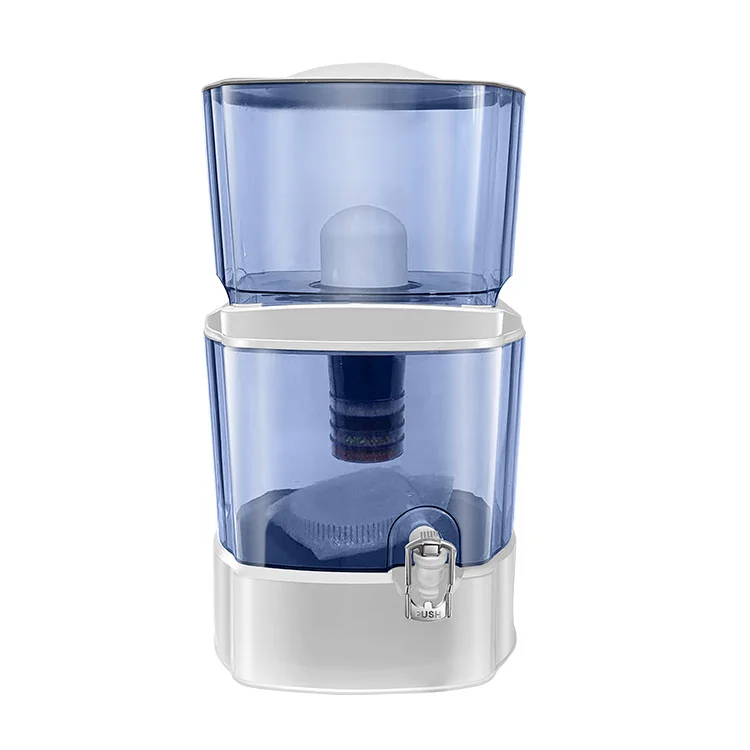
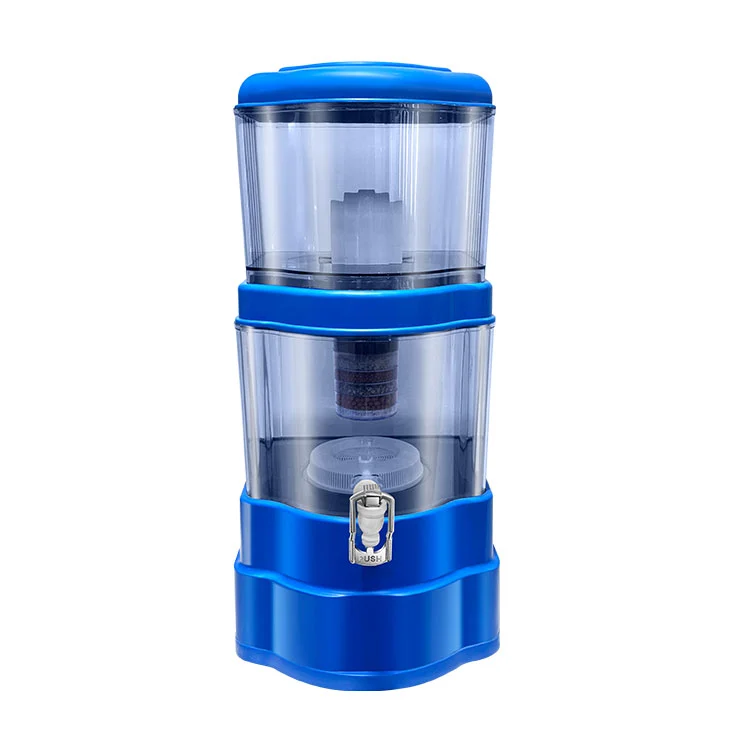
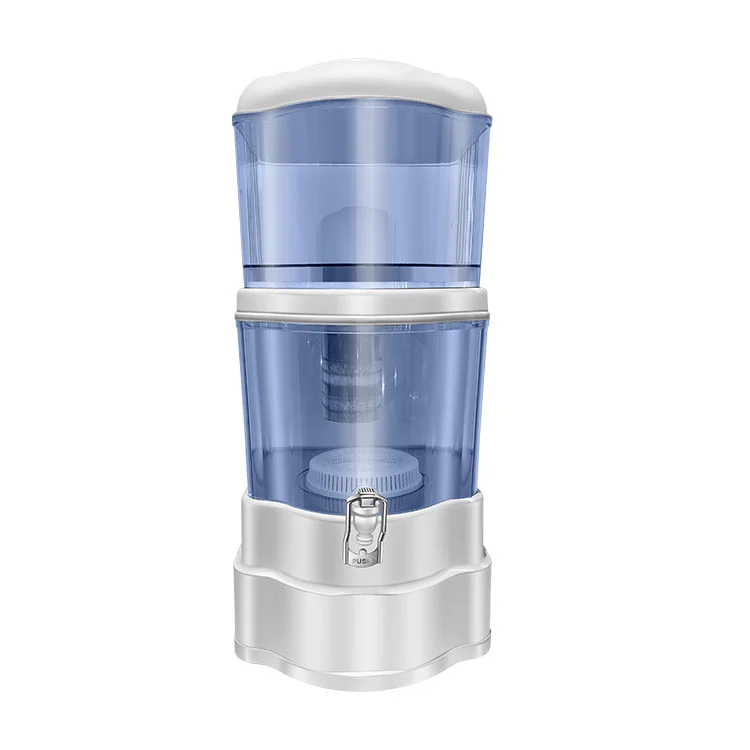
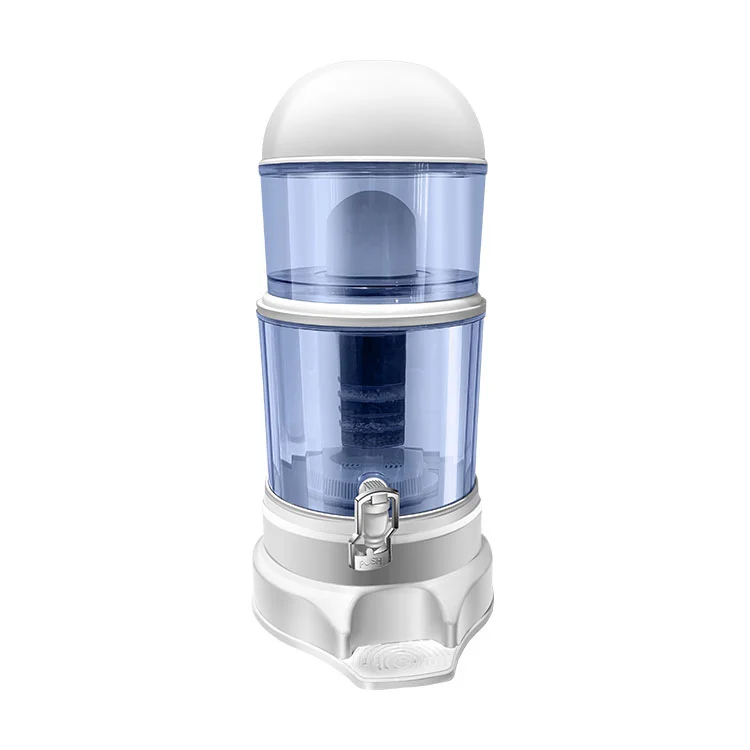
16L Mineral Activated Carbon Water Purifier made with food-grade safe materials, equipped with a seven-layer deep filtration system. The core mineral activated carbon effectively absorbs heavy metals and impurities, achieving deep purification. Instant filtration for drinking with no waiting, zero wastewater discharge for better environmental protection, easily providing the whole family with sweet and smooth direct drinking water, suitable for daily large-capacity drinking needs at home.
Send Inquiry
Product Description
Product Parameter
| Model | AFK- 50B |
| Color | White |
| Capacity | 16L |
| Packing ways | 6pcs/Ctn |
| Box size | 28.2X28.2X23.5cm |
| Carton size | 85.6X29X48.5cm |
| Gross weight | 17KGS |
| Body material | Lid - PP, Body - AS |
Food-Grade Safe Material for Full-Cycle Drinking Water Security
Every key water-contacting component of our 16L Mineral Activated Carbon Water Purifier is manufactured with premium food-grade materials, which are strictly verified to be free from peculiar odors and harmful substance precipitation. This design builds a reliable safety barrier for your drinking water right from the source, making it fully suitable for daily use by the entire family, including seniors and young children.
7-Layer Deep Precision Filtration System
This purifier adopts an innovative 7-layer stepped filtration structure, which performs interception and purification layer by layer. It comprehensively removes various impurities in raw water, and is paired with our core mineral activated carbon filter media to achieve thorough and all-round purification of every drop of water.
Instant Filtration & On-Demand Direct Drinking
There is no need to wait for water storage with this purification system: purified water is available immediately once the tap is turned on. This design effectively avoids secondary water pollution caused by long-term water storage, bringing you a fresh, convenient and hassle-free direct drinking experience in daily life.
Zero Wastewater Discharge, Energy Saving & Eco-Friendly Design
With its high-efficiency water purification technology, this system eliminates unnecessary water waste and realizes true zero wastewater discharge. It not only reduces your daily water use costs, but also fits perfectly with the global concept of green and low-carbon living.
Mineral Activated Carbon for Deep Contaminant Removal
The core mineral activated carbon filter element of the system is engineered with strong adsorption capacity. It can effectively target and adsorb heavy metals, residual chlorine, abnormal color and odor, as well as harmful organic substances in water, purifying water quality at the root and eliminating potential hidden dangers to your drinking health.
Optimized Water Taste for Sweet & Mellow Drinking Experience
On the basis of deep purification, the filtration system further adsorbs residual odors in water and softens water quality. This creates a sweet, smooth and mellow taste for your drinking water, eliminating the astringent and bleach odors common in tap water, and delivering a more pleasant drinking experience with every sip.
Advanced Multi-Stage Filtration System
This purifier is equipped with a sophisticated multi-stage filtration system to achieve comprehensive and in-depth filtering, with each stage performing a targeted purification function:
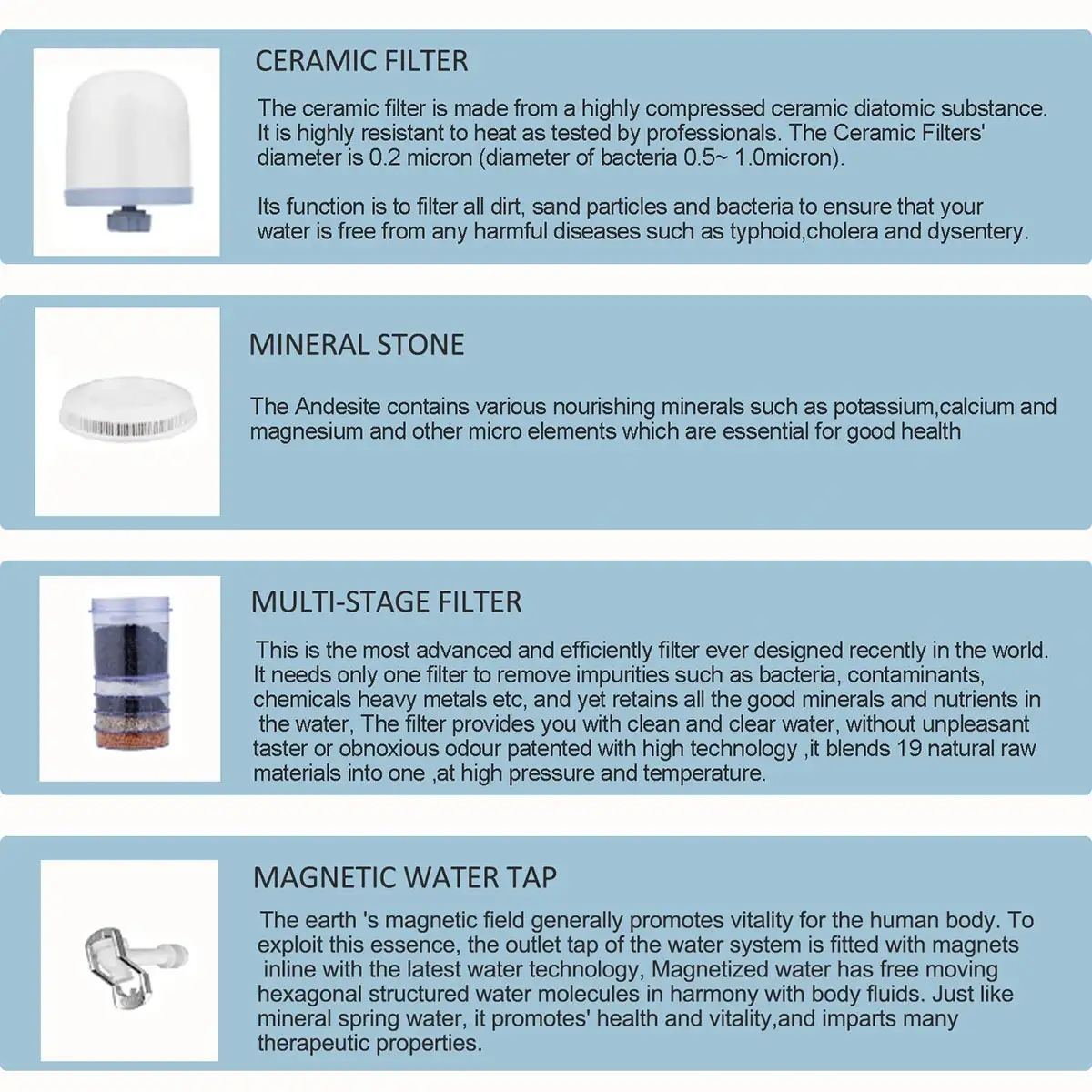
1. Ceramic Hemisphere Filter Element
As the front-end protection of the entire filtration system, this filter element is made of high-quality food-grade ceramic material. It effectively filters out large-particle impurities such as sediment, rust and insect eggs in raw water, which protects the subsequent filter elements from premature clogging, extends their service life, and lays a solid foundation for subsequent deep purification.
2. 5-Stage Mineralization Filter Element (Core Functional Component)
As the core of the whole filtration system, this filter element is composed of high-performance granular activated carbon, mineral red and white balls, quartz sand, ion exchange resin and other professional filter materials, realizing dual functions of deep purification and preliminary mineralization:
• Granular activated carbon: Powerfully adsorbs residual chlorine, peculiar odors and other organic contaminants in water, while optimizing the taste of drinking water;
• Mineral red and white balls: Sustainably release beneficial trace elements such as calcium and magnesium, injecting natural minerals into the purified water;
• Quartz sand: Further filters fine impurities in water, while stabilizing the internal structure of the filter element to ensure long-lasting stable performance;
• Ion exchange resin: Effectively reduces water hardness, decreases scale formation, and further improves the drinking taste of water.
3. Maifan Stone Box (Core Auxiliary Mineralization Component)
Filled with high-purity natural Maifan stone particles, this component takes mineralization and water quality adjustment as its core functions, with specific effects as follows:
• Deep mineralization: Releases a variety of beneficial trace elements, making the effluent quality close to that of natural mineral water;
• pH adjustment: Adjusts water quality to a weakly alkaline state that is more suitable for human drinking;
• Taste optimization: Adsorbs residual peculiar odors in water, making the effluent taste sweeter and smoother;
• Bacteriostasis and fresh-keeping: Inhibits bacterial growth in the water system, ensures long-term drinking water safety, and helps extend the overall service life of the purifier.
Essential Usage & Maintenance Tips
To ensure the long-lasting stable performance and safe use of your water purifier, please follow these practical guidelines:
• Replace the filter elements regularly, with the replacement cycle adjusted according to your local tap water quality and daily water consumption;
• Rinse the filter elements thoroughly before the first use to remove dust from the filter media, ensuring the purity of the initial effluent;
• Do not place the purifier in direct sunlight; choose a dry, well-ventilated indoor location for installation and use.

Hot Tags: 16L Mineral Activated Carbon Water Purifier, Manufacturer, Supplier, Factory
Related Category
Send Inquiry
Please Feel free to give your inquiry in the form below. We will reply you in 24 hours.